
Air travel in the United States is changing, and passengers should understand the latest airline passenger protection rules before booking their next trip. Starting October 19, 2026, new regulations will change how certain flight delays and cancellations are classified, potentially affecting the assistance travelers receive when their journeys are disrupted.
The changes are especially important for passengers who rely on airlines for meal vouchers, hotel accommodations, and other support during unexpected travel problems. Although some protections are changing, important refund rights remain in place.
Whether you’re planning a domestic trip or an international vacation, understanding these developments can help you prepare for unexpected expenses and make smarter travel decisions.
What Is Changing in US Airline Passenger Protections?
According to Fodor’s report on the upcoming airline rule changes, several events previously classified as within an airline’s control will be treated as outside its control beginning October 19, 2026.
These changes follow provisions associated with the FAA Reauthorization Act of 2024. They affect how certain operational disruptions are categorized when determining whether airlines have committed to providing assistance.
Examples of affected situations include certain unscheduled maintenance issues, baggage-system outages outside the carrier’s control, cybersecurity attacks that meet the applicable conditions, and some weather-related aircraft damage.
For travelers, the practical result is that airlines may no longer be expected to provide the same meals, hotel accommodations, or other amenities for some disruptions under their existing commitments.
However, airline policies differ, and carriers may still choose to help passengers even when they are not required to do so under these commitments.
Will Passengers Still Receive Refunds for Delayed or Canceled Flights?
One of the biggest concerns for travelers is whether the new rules eliminate their right to receive a refund.
The important distinction is that refund eligibility is separate from an airline’s obligation to provide meals or hotel accommodations.
Under US Department of Transportation (DOT) rules, passengers are generally entitled to a refund when an airline cancels their flight or makes a qualifying significant change or delay and they choose not to travel or accept alternative transportation or compensation.
For significant delays, the DOT’s rules generally use thresholds of three hours or more for domestic itineraries and six hours or more for international itineraries, subject to the applicable requirements.
Travelers who accept a replacement flight or certain alternative compensation may lose the option to claim a refund for that same disruption.
Before making a decision, review the official DOT airline refund guidance and ask the airline to explain your available options.
How Can Travelers Prepare for Flight Delays?
Although passengers cannot prevent every disruption, a few practical steps can reduce the stress and financial impact of unexpected changes.
1. Choose your departure time carefully.
Morning flights may be worth considering because earlier departures can offer more opportunities to find alternative flights if problems occur later in the day. However, no departure time guarantees an on-time arrival.
2. Monitor your flight status.
Check your airline’s website or mobile app before leaving for the airport. Enable notifications so you can respond quickly to gate changes, cancellations, and revised departure times.
3. Keep records of disruptions.
Save emails, text messages, screenshots, and receipts related to the delay. If the airline provides a reason for the disruption, keep that information because it may help when requesting assistance or submitting a complaint.
4. Review your travel budget.
Unexpected hotel stays, meals, and transportation can increase the cost of a trip. Use the Travel Budget Calculator to estimate your planned expenses and consider setting aside extra money for emergencies.
Does Travel Insurance Cover Airline Delays?
Travel insurance may provide additional protection, depending on the policy and the circumstances of the disruption. Some plans cover eligible expenses such as overnight accommodation, meals, or alternative transportation after a covered delay.
However, coverage is not automatic. Policies may include minimum delay periods, exclusions, documentation requirements, and maximum reimbursement limits.
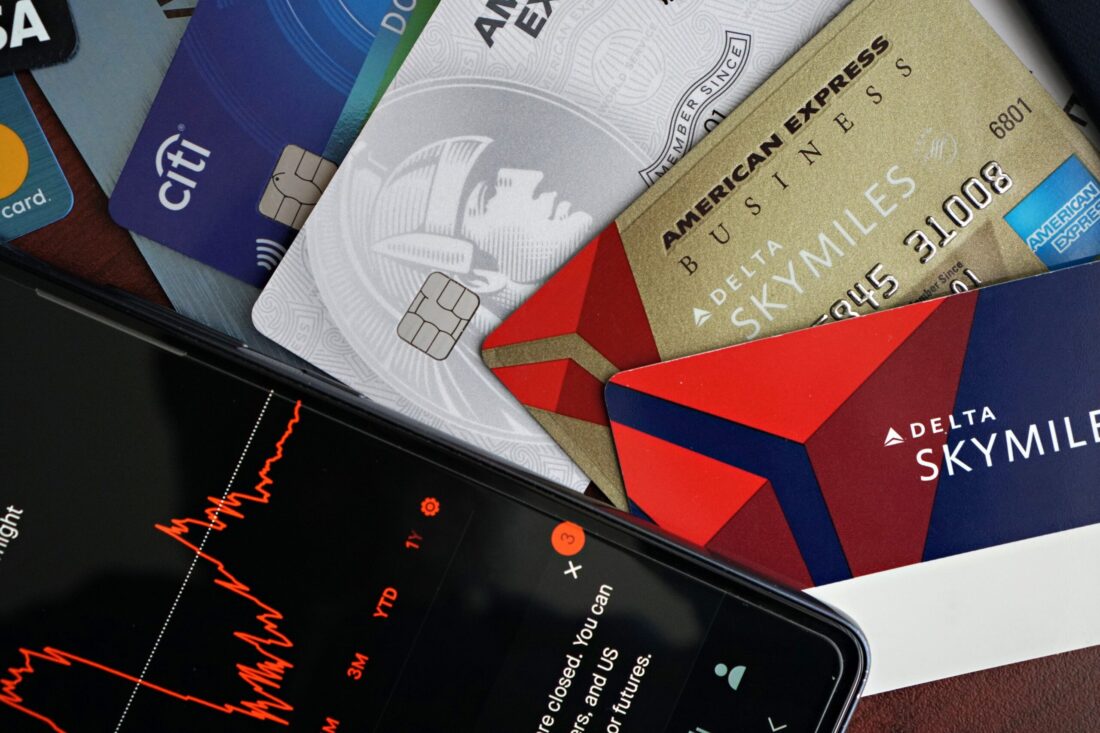
Some travel credit cards also offer trip-delay or trip-interruption benefits when travelers meet the card’s eligibility requirements.
Before purchasing additional coverage, review the benefits you already have and compare them with the policy’s terms.
You can estimate potential premiums and plan your protection budget using a Travel Insurance Cost Calculator.
How Could These Changes Affect International Travelers?
International trips can involve multiple airlines, connecting flights, hotel reservations, and prepaid activities. A disruption on one leg of a journey can affect the entire itinerary.
Before traveling, allow enough time for connections and consider whether separate tickets could expose you to additional costs if your first flight arrives late.
Travelers heading overseas should also plan for exchange-rate changes and unexpected purchases. The Currency Converter can help you estimate expenses in your destination’s local currency, while the Jet Lag Calculator can help you prepare for time-zone changes on long journeys.
If you are booking a long-haul flight, compare available routes and departure times rather than focusing only on the lowest advertised fare.
What Should You Do If Your Flight Is Canceled?
If your flight is canceled or significantly delayed, contact the airline and request a clear explanation of your options. Ask whether you qualify for a refund, rebooking, hotel assistance, meal vouchers, or other support.
Keep receipts for reasonable expenses and check whether your airline, travel insurer, or credit card provider offers applicable benefits.
If you believe the airline has failed to meet its obligations, consult the DOT’s official consumer guidance before submitting a complaint.
Final Thoughts
The October 19, 2026, airline passenger protection changes are important for US travelers because they may affect the assistance available during certain flight delays and cancellations. Understanding the difference between refunds and other forms of airline support can help you make better decisions when travel plans change.
Before your next trip, review airline policies, monitor flight updates, and prepare a realistic travel budget. With the right planning and a clear understanding of your options, you can be better prepared for unexpected disruptions and travel with greater confidence.